Seattle Reckless Driving Laws
Under RCW 46.61.500, a person is guilty of reckless driving if they operate a motor vehicle “in willful or wanton disregard for the safety of persons or property.”
This is a broad definition that gives prosecutors significant discretion. Reckless driving is more serious than a traffic infraction but less severe than many felony-level driving offenses.
If you have been charged with reckless driving in Seattle, you are facing a criminal charge — not just a ticket.
What Is a “Wet Reckless”?
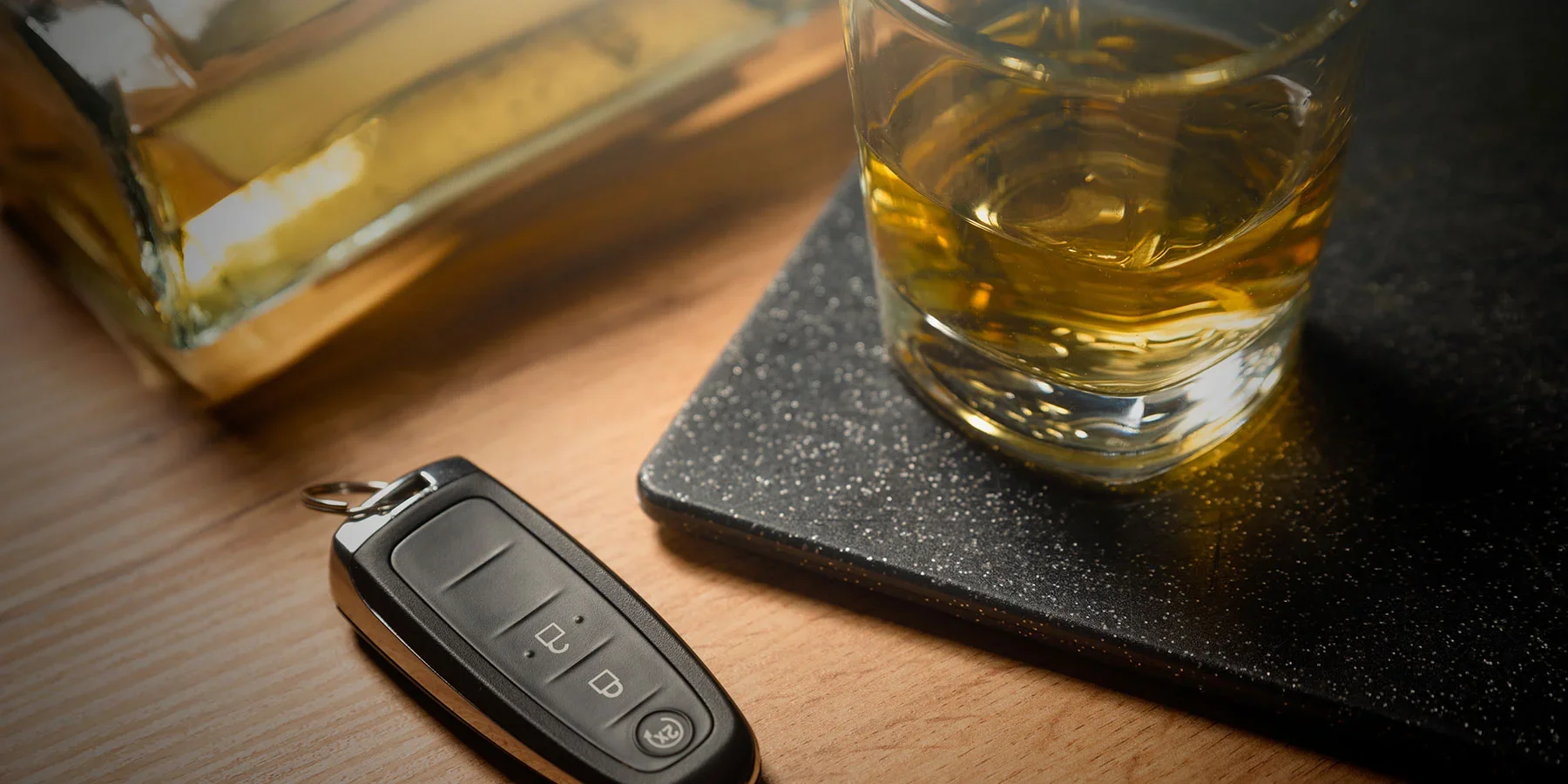
In many DUI cases, prosecutors may reduce a DUI charge to reckless driving as part of a negotiated resolution. When alcohol is involved, this is commonly referred to as a “wet reckless.”
A wet reckless is still a gross misdemeanor and is treated as a prior offense if you are later charged with DUI.
Prosecutors may agree to reduce a DUI to reckless driving when:
- There are weaknesses in the State's DUI evidence
- Breath or blood test results are questionable
- Field sobriety testing was improperly administered
- There are constitutional issues with the traffic stop
Reckless driving does not require proof of intoxication. Instead, the State must prove that the driver acted with willful or wanton disregard for safety.
Common Situations Leading to Reckless Driving Charges
- Excessive speeding
- Aggressive driving
- Street racing
- Driving under the influence (as a reduced charge)
- Dangerous lane changes or road rage incidents
No accident or injury is required for a reckless driving charge.
Reckless Driving Penalties in Washington
Reckless driving is classified as a gross misdemeanor and carries potential penalties of:
- Up to 364 days in jail
- Up to $5,000 in fines
- Minimum 30-day driver's license suspension
- Probation supervision
Additional consequences may include:
- Increased insurance rates
- Permanent criminal record
- Ignition interlock device requirement (in alcohol-related cases)
If alcohol was involved, the Department of Licensing may require installation of an Ignition Interlock Device (IID) as a condition of license reinstatement.
Ignition Interlock Devices (IID)
An Ignition Interlock Device requires a breath sample before a vehicle will start. If alcohol is detected above the preset limit, the engine will not start.
In alcohol-related reckless driving cases — especially those reduced from DUI — IID requirements may apply depending on the circumstances and prior record.
How Reckless Driving Differs from DUI
While reckless driving carries serious penalties, it is generally considered less damaging than a DUI conviction because:
- There are no mandatory minimum jail terms like DUI
- License suspension periods are typically shorter
- Insurance consequences may be less severe
- There is less long-term stigma than a DUI conviction
However, a reckless driving conviction can still significantly impact your record and future DUI sentencing.
Seattle Reckless Driving Defense Attorney
Reckless driving charges are often highly negotiable. Early legal intervention can mean the difference between a DUI conviction and a reduced charge — or even dismissal.
Attorney Steve Karimi is a former prosecutor who understands how reckless driving and DUI cases are evaluated. He carefully analyzes the evidence, identifies weaknesses, and works to achieve the most favorable resolution possible.
Call 206-222-3280 now for a free consultation. Available 24/7.