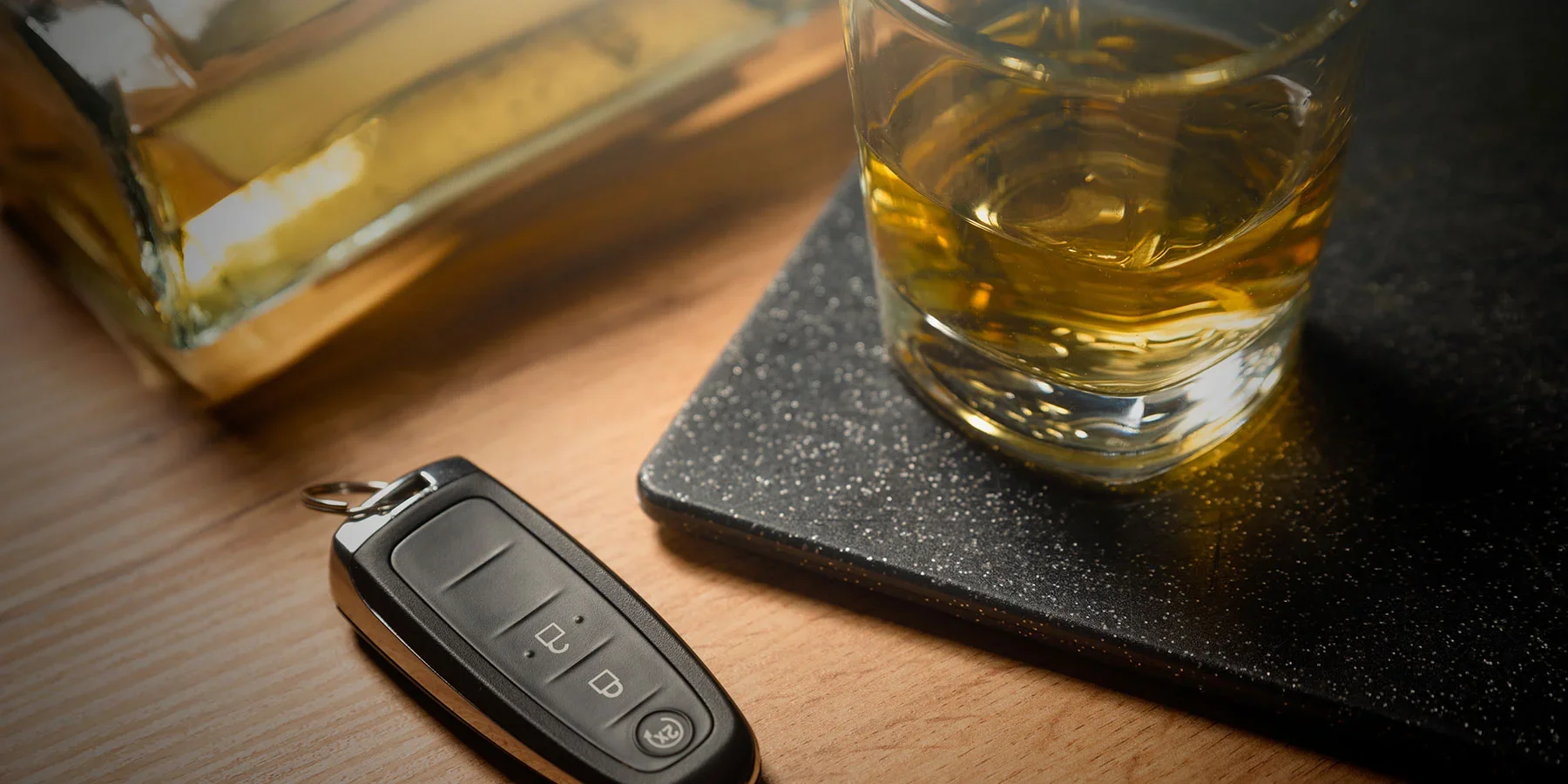
How We Fight DUI Charges in Seattle
Being charged with DUI can feel overwhelming. Many people believe the evidence against them is impossible to challenge. In reality, DUI cases are highly technical and often defensible.
Successful defense requires a detailed examination of how the stop occurred, how the investigation was conducted, and whether the testing procedures were legally and scientifically reliable.
The Prosecution Must Prove Guilt Beyond a Reasonable Doubt
In every DUI case, the burden of proof rests entirely on the State. The prosecution must prove beyond a reasonable doubt that:
- You were driving or in physical control of a vehicle;
- You were under the influence of alcohol, marijuana, or another drug; or
- Your BAC was 0.08% or higher, or THC concentration was 5.00 ng/mL or higher within two hours of driving.
The defense does not have to prove innocence. The defense must show that reasonable doubt exists.
1. Challenging the Legality of the Traffic Stop
Police must have reasonable suspicion to stop a vehicle. If the stop was not legally justified, evidence obtained afterward may be suppressed.
Common legal challenges include:
- Lack of reasonable suspicion
- Improper checkpoint procedures
- Unlawful extension of a traffic stop
- Constitutional violations during detention
If key evidence is suppressed, the prosecution's case may significantly weaken.
2. Challenging Field Sobriety Tests
Field sobriety tests are not scientific measurements of intoxication. They are subjective roadside exercises that can be influenced by:
- Medical conditions
- Fatigue
- Anxiety
- Weather conditions
- Improper instructions from the officer
Video evidence often becomes critical in evaluating whether tests were administered properly.
3. Challenging Breath and Blood Testing
Chemical testing is often the strongest evidence in a DUI case, but it is not infallible.
Breath testing challenges may include:
- Improper machine calibration
- Operator certification issues
- Mouth alcohol contamination
- Failure to follow observation periods
Blood testing challenges may include:
- Improper blood draw procedures
- Chain of custody errors
- Laboratory contamination
- Testing protocol deviations
Scientific errors can create reasonable doubt.
4. Challenging Causation in Accident Cases
In cases involving collisions, the State must prove that impairment caused the accident. Independent accident reconstruction and forensic review may reveal alternative explanations.
5. Negotiating Strategic Resolutions
Not every case proceeds to trial. In some circumstances, strategic negotiation may result in:
- Reduced charges
- Alternative sentencing options
- Electronic home monitoring instead of jail
- Minimized license consequences
Every decision should be based on a careful evaluation of the evidence, risks, and long-term consequences.
Why Early Legal Intervention Matters
DUI cases move quickly. You have only 20 days from arrest to request a Department of Licensing hearing to challenge administrative license suspension.
Early investigation allows your attorney to preserve evidence, review body camera footage, and begin building a defense immediately.
Seattle DUI Defense Attorney
Attorney Steve Karimi is a former Washington prosecutor who understands how DUI cases are built and prosecuted. He applies that experience to identify weaknesses in the State's case and develop strong defense strategies.
If you are facing DUI charges in Seattle, contact our office immediately for a confidential consultation.