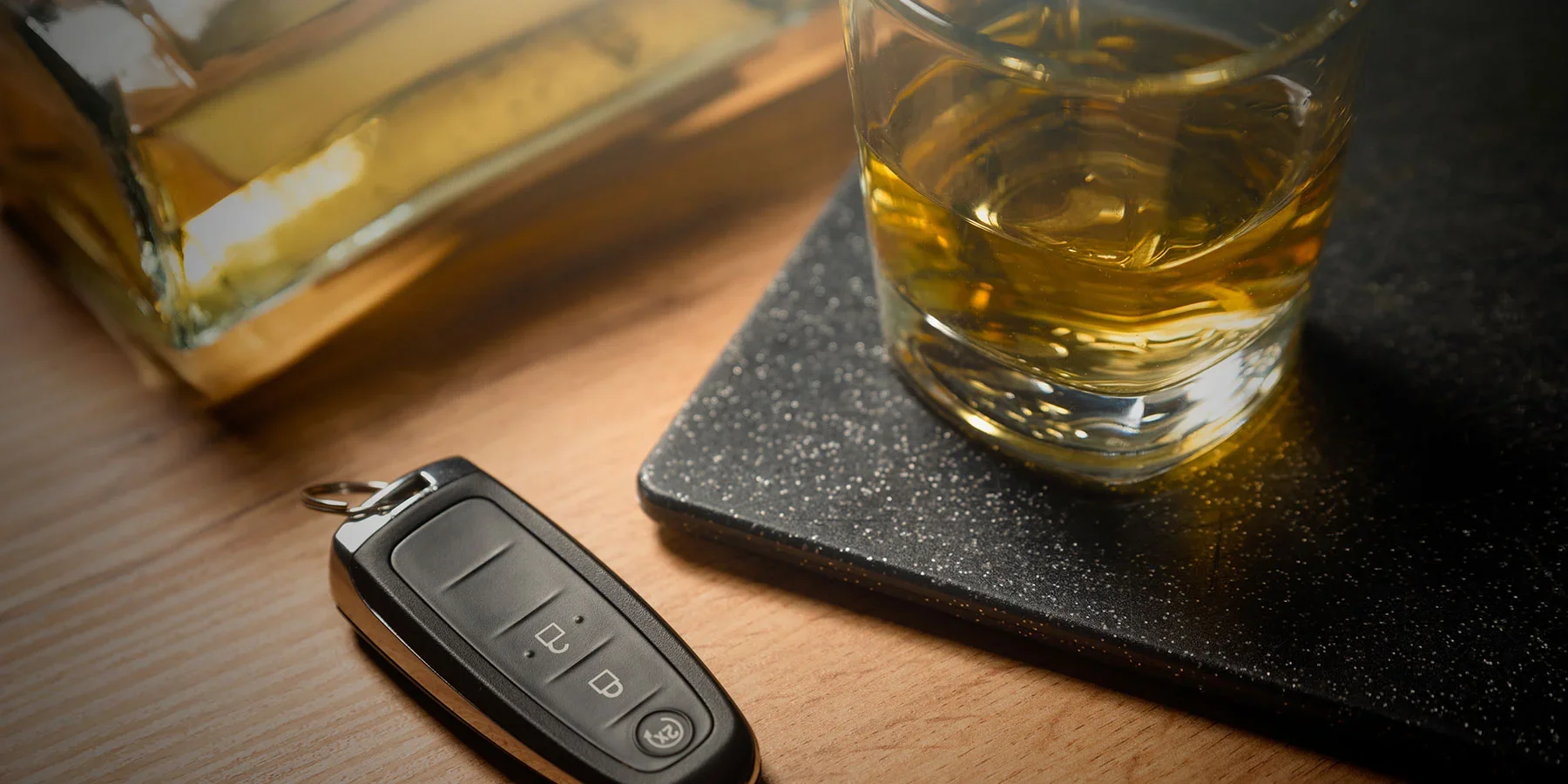
Physical Control of a Vehicle Under the Influence (RCW 46.61.504)
Many people assume you can only be charged with DUI in Washington if you were actually driving. That is not true. Under RCW 46.61.504, it is also illegal to be in “actual physical control” of a vehicle while under the influence of alcohol or drugs.
This means you do not have to be driving to be arrested.
A person may be charged with Physical Control if they are in control of a vehicle and:
- Have a blood alcohol concentration (BAC) of 0.08% or higher (0.02% if under 21)
- Have a THC concentration of 5.00 ng/mL or higher
- Are under the influence of alcohol, marijuana, or any drug
- Are impaired by a combination of alcohol and drugs
These determinations are often based on officer observations, field sobriety tests, and chemical testing procedures.
What Does “Actual Physical Control” Mean?
The term “actual physical control” is intentionally broad. Courts look at whether you had the ability to operate the vehicle — even if you chose not to drive.
For example:
A person realizes they have had too much to drink and decides not to drive. They sit in the driver's seat with the keys nearby while waiting for a ride. An officer approaches and makes contact.
Even though the person was not driving, they could still be charged under the Physical Control statute.
Because the law is broad, these cases often depend heavily on the specific facts.
Penalties for Physical Control in Seattle
Penalties for Physical Control are generally the same as DUI penalties under RCW 46.61.502. They include mandatory minimum jail time, fines, license suspension, and ignition interlock requirements.
-
First offense (within 7 years):
- Mandatory jail time
- Up to $5,000 in fines
- 90 days to 1 year license suspension
-
Second offense (within 7 years):
- Longer mandatory jail time
- Up to $5,000 in fines
- 2 to 3 year license suspension
-
Third offense or more:
- Extended jail sentence
- Up to $5,000 in fines
- 3 to 4 year license suspension
- Mandatory alcohol evaluation and treatment
Prior DUI-related convictions significantly increase sentencing exposure.
Defenses to Physical Control Charges
Because you do not have to be driving to be charged, Physical Control cases often allow additional defense strategies.
Your defense may include arguing:
- You were not impaired at the time of contact
- You were not in actual physical control of the vehicle
- You had safely removed the vehicle from the roadway
- Police lacked probable cause for the stop or arrest
Evidence such as phone records showing you called a ride, witness testimony, or the location of the keys may become critical in these cases.
20-Day License Hearing Deadline
After a Physical Control arrest, the Department of Licensing administrative process begins immediately. You have 20 days from the date of arrest to request a hearing to challenge your license suspension.
If you do not request a hearing, your license will be automatically suspended.
Seattle Physical Control Defense Attorney
A Physical Control arrest does not automatically mean a conviction. These cases often hinge on technical details and legal interpretation.
Attorney Steve Karimi is a former prosecutor who understands how DUI and Physical Control cases are built — and how to identify weaknesses in the State's evidence.
If you have been arrested for Physical Control in Seattle, call 206-222-3280 for a free consultation. Available 24/7.